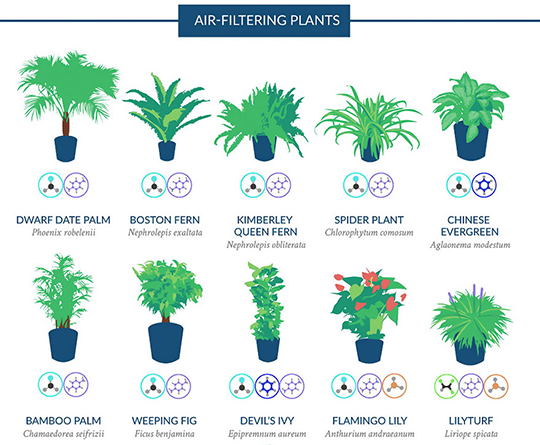
Because most of us spend the majority
of our time indoors, NASA conducted a
Clean Air Study to determine which
common houseplants are the best for
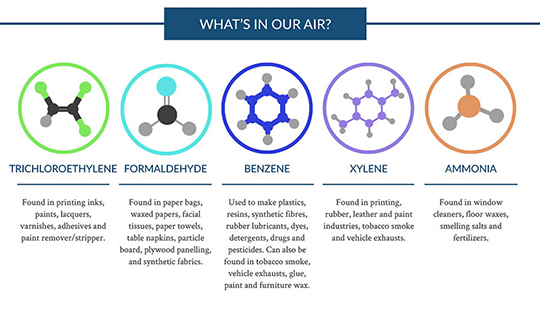
filtering harmful toxins like ammonia
and formaldehyde from the air.
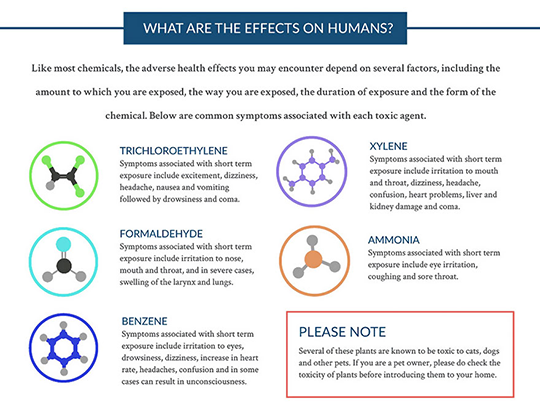
**Please note: Several of these plants are known to be toxic to cats, dogs and other pets. If you are a pet owner, please do check the toxicity of plants before introducing them to your home.**
Mimosa pudica (aka sensitive/shy plant) is known for its crazy fast
movement. when stimulated, the cells in each leaf flush out their
potassium ions from the central vacuole- the part of the cell that
stores water. When the vacuole is deflated, the leaves lose their
rigidity(turgor) and collapse inward.
Fasciation (plant pathology) : Malformation of plant parts resulting from disorganized tissue growth. Specimen found while walking on the dunes at Saint-Georges-de-Didonne in France
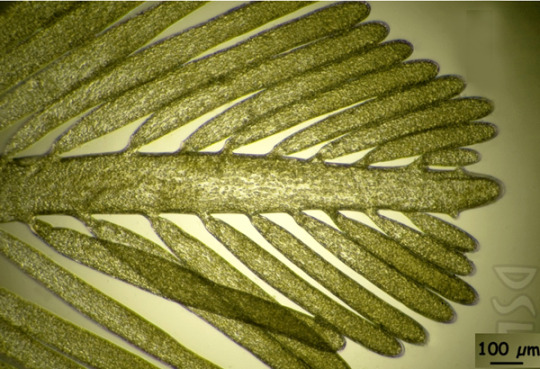
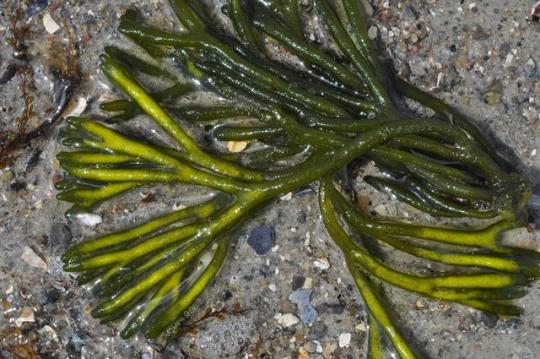
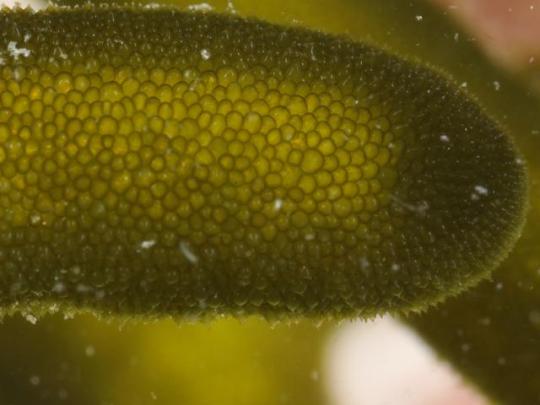
I see doubt in the notes so just wanted to say that YES, this is a unicellular organism! This is a species from a genus of green algae called Caulerpa, which are a siphonous algae. The frond shapes, the “rhizomes” it grows from, and the “roots” it extends into substrate are all extensions of a single multi-nucleate cell. Here’s what a siphonous alga looks like under a microscope, with no divisions in its cytoplasm:
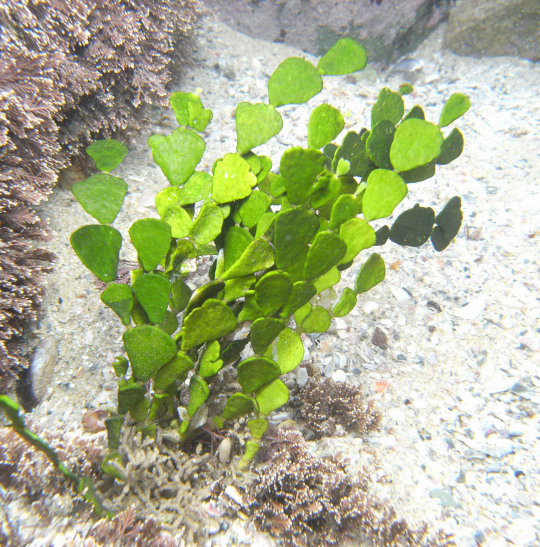
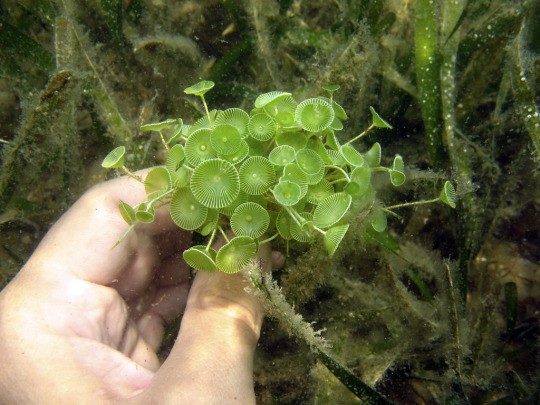
It’s not the only algae like this, either! Caulerpa is a member of order Bryopsidales, which are all siphonous. Here’s some more macroscopic single cell algae:
Codium fragile, or dead man’s fingers. This one is a single long noodle of a cell with swollen growths on the outside called urtricles, packed together to create a firm “skin.”
Halimenia, a calcified algae whose shed growths are responsible for a lot of the beautiful white sand on tropical beaches:
actually, that’s an effect called fasciation, and it’s relatively common in the world of plant mutations! it’s characterized by the accidental fusing together of tissues on the stem/organ in question, which can lead to the weird funky/siamese twin flowers you see in the post. more specifically, it happens when the hormones in a plant’s growing tip (the apical meristem, for those plant physiology nerds out there) get messed up for whatever reason and the plant gets confused on what to separate, which results in a ‘crested’ flattened/fused organ. for example in certain plant illnesses it’s directly caused by a bacterial infection; the hormones secreted by the bacteria living in the growing tip mess up the plant’s chemical signaling and cause the fusing effect. it can also happen through all sorts of stuff, including viral, chemical, fungal, and genetic causes.
i’ve seen three plants in my life like that: two were dandelions living by the side of a parking lot at my high school, and one was a branch of a bush that my plant pathology professor brought in to show us. it was on a plant in his backyard, and it had become infected with a bacterial infection that’s known for causing it. he was pretty excited lmao
fasciation happens like…in a SHITLOAD of plants, as long as they’re vascular (meaning not mosses, basically), which makes sense, because the mutation needs a solid stem structure to happen. here’s a fasciated palm!
and a fasciated rose! (no flowers on this one, although i think its really interesting that the plant still managed to make some thorns, if a bit tumultuously):
and of course, gotta have a saguaro cactus! apparently this one lives happily in a botanical park in phoenix, arizona. good for her, out living her best life. shown here next to a normal cactus of the same species.
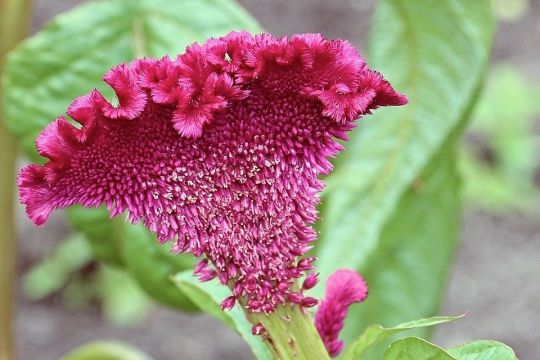
EXTRA fun fact, you may have seen THIS bad boy at ur local greenhouse, called Celosia argentea var. cristata, or ‘cockscomb celosia’ for short:
well guess what it is??? a fasciated version of Celosia argentea grown commercially specifically for its rad ass appearance!! the normal, unmutated plant looks like this:
seeing the two side by side makes it really easy to see how the plant could have messed them up just by failing to separate the flower stems right.
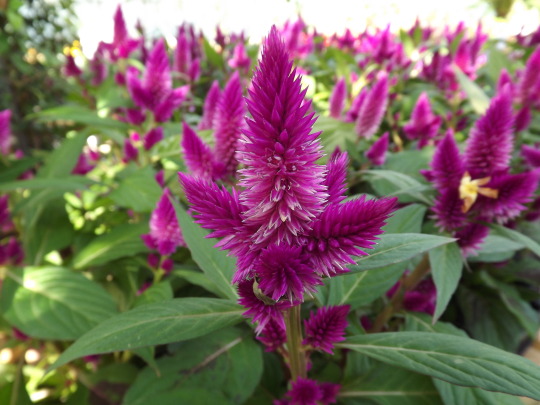
side note: these are not to be confused with the other variety of this plant, Celosia argentea var. plumosa, which is also popular in north american greenhouses for their funky little floofs (this pic shows a few different available colors, some of which the fasciated version are also grown in):
so in short…. those pics are real. plants just be fucked up like that.
Yay fasciation! Here are my weird fasciated rudbeckia hirta. Someone in a gardening group told me that rudbeckia hirta will fasciate if you so much as look at them wrong, so I was relieved that it wasn’t something to worry about.
Of course, that doesn’t means it’s limited to terrestrial plants either, here’s one of my Syngonanthus cf. inundatus, an aquatic plant.









 lovingdread