Surprise visitor today. A Redwinged Blackbird! I would say it is a female. I think it is funny because in spring and summer, I only got the adult males to visit the booth. I hope it was satisfied with the buffet and can continue the migration well-fed 🙂
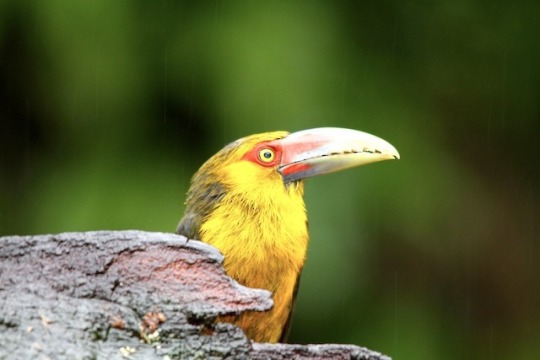
the saffron toucanet is a relatively small member of the toucan family native to rainforests of south america. toucanets are smaller than toucans and have a relatively smaller beak. the saffron toucanet is named for its cheery yellow head and chest. like other toucans, the saffron toucanet feeds on fruit and occasionally insects and small animals.
I met this albino Raven named Pearl today at Bird Fest. It is only one of four known albino Ravens in the whole world.
Pearl lives in this woman’s house. The handler has a permit, and the bird is property of the government (like hawks and falcons). She is affiliated with the California Wildlife Center. Every time the handler stopped petting Pearl she started cawing. She really likes affection.
the varied bunting is a small member of the cardinal family native to new mexico, arizona, texas, and mexico.
varied buntings are well known for their vibrant purple and red plumage. only male buntings are this colorful; females are easy to tell apart from males, as like many other bunting females, they are a plain brown.
these buntings eat mainly fruit, insects, and seed, and generally forage on the ground for their food. they occasionally can be tempted to birdfeeders with birdseed or fruit.
varied buntings create ‘open-cup’ nests out of grass and spiderwebs, usually hidden within thorny shrubs to protect the young. the female typically lays two to five eggs, which are incubated for fourteen days. the young fledge at only ten days old. varied buntings usually choose dry habitats, and will seek out nesting spots near water sources.
the varied bunting is currently rated ‘least concern’ by the iucn, though unfortunately, its population is declining.


 https://embedr.flickr.com/assets/client-code.js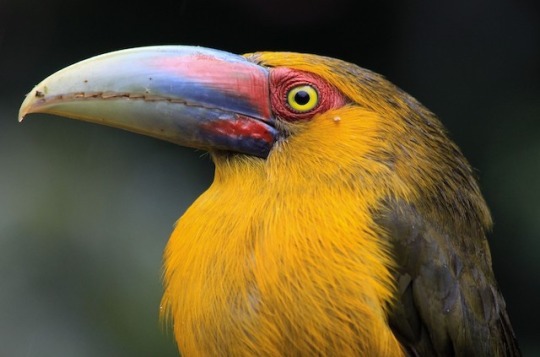


 lovingdread